Navigate UK Beekeeping Laws & Regulations with confidence
Explore essential guidelines and legal obligations every UK beekeeper should know to maintain compliance and promote the welfare of healthy bee colonies.
Frequently Asked Questions (FAQs)
Do I need to register my beehives with the authorities?
No, there is no license or registration requirement. However, we recommend you register your hives with the National Bee Unit to help monitor and control diseases (see below).
Are there restrictions on where I can place my beehives?
Hive placement must ensure public safety and avoid causing a nuisance to neighbours, following local council guidelines. Landowner permission is mandatory and many landlords or housing associations forbid the keeping of livestock/bees.
What should I do if I suspect disease in my bees?
You must report any signs of disease immediately to the Animal and Plant Health Agency (APHA) to prevent spread – This is via the National Bee Unit or your local Bee inspector via BeeBase.
Can I sell honey commercially?
Anyone can sell honey provided it meets strict UK food safety standards for hygiene and composition, and labelling regulations – “Small scale and occasional” activities—such as selling a few jars from a one-off charity stall or community event—are generally exempt from the need to register. However, it is generally recommended to register with the Local Authority, regardless of the level and frequency of trading – It is free to register and a correctly made application cannot be refused.
Are there import restrictions on bees or hive products?
Yes, importing bees or related products is strictly controlled to prevent introducing pests and diseases.
Are there regultaions related to hive inspections?
No, but it is highly recommended by the BBKA to inspect hives every 7-10 days during the swarming seaeson (April to September) to manage colony health and prevent swarming, which can be a public nuisance.
What are the penalties for breaching beekeeping laws?
Violations can result in fines or enforcement actions to protect bee health and public safety.
What are common labelling mistakes?
Common honey labelling mistakes in the UK, often violating Honey Regulations 2015 (and equivalent devolved legislation), include omitting the specific country of origin, incorrect weight formatting, missing best-before dates, and inaccurate botanical or regional claims.
Keep informed of UK beekeeping regulations
UK beekeeping regulations are generally straightforward and manageable, but do sometimes change over time. Here we have provided clear guidance on legal requirements for hive management, disease control, honey production, and sales in the UK. The links provided allow for further in-depth research.
Understanding the Key Regulations Governing UK Beekeeping
Get to know the essential legal requirements and best practices that ensure your beekeeping activities comply with UK laws and promote healthy hives.

Disease Reporting Requirements
Learn how to promptly report bee diseases to UK authorities, helping to safeguard your colonies and the wider environment.

Honey Production Standards
Follow guidelines that maintain honey quality and safety, ensuring your product meets UK industry benchmarks.

Hive Placement Regulations
Understand local rules on hive locations to minimise public nuisance and protect both bees and your neighbours effectively and responsibly.
Key Legal & Regulatory Framework
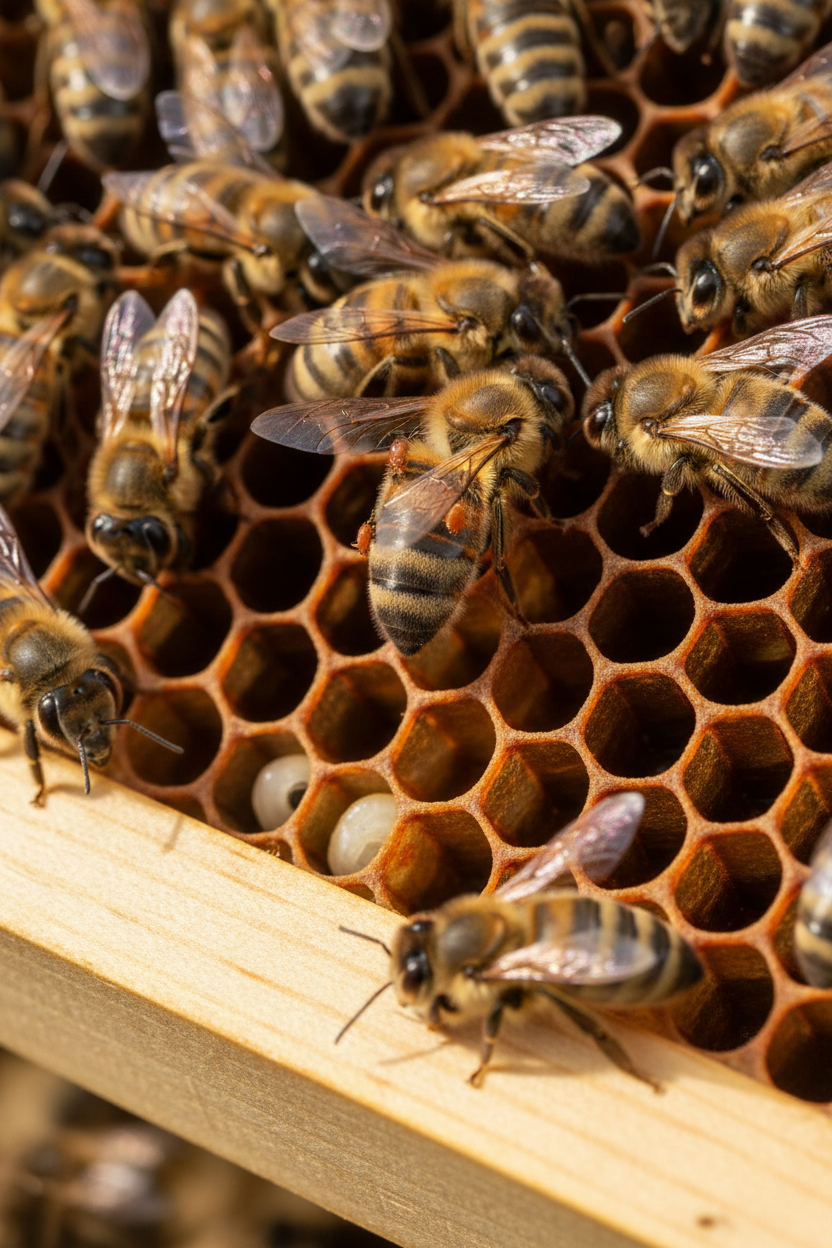
There are a small number of essential beekeeping regulations related to disease and pest control in particular. You can help by registering your apiary with the National Bee Unit via BeeBase.
The Bee Diseases and Pests Control Orders 2006 (England & Wales): When identified or suspected, you must immediately report Notifiable Diseases and Pests including American Foulbrood, European Foulbrood, Small Hive Beetle, Tropilaelaps and Varroa destructor mites to the National Bee Unit (NBU) via BeeBase.
The Bees Act 1980: Authorises the government to make orders to prevent the introduction and spread of bee pests and diseases.
Import/Export Restrictions: Strict regulations apply to importing bees, requiring health certificates and moving bees into the Isle of Man is prohibited due to its varroa-free status.
Standstill Notices – If a notifiable disease is found in your apiary, a standstill notice may be issued, making it illegal to move any colonies or equipment until the notice is lifted.
Food Safety & Sales – Honey
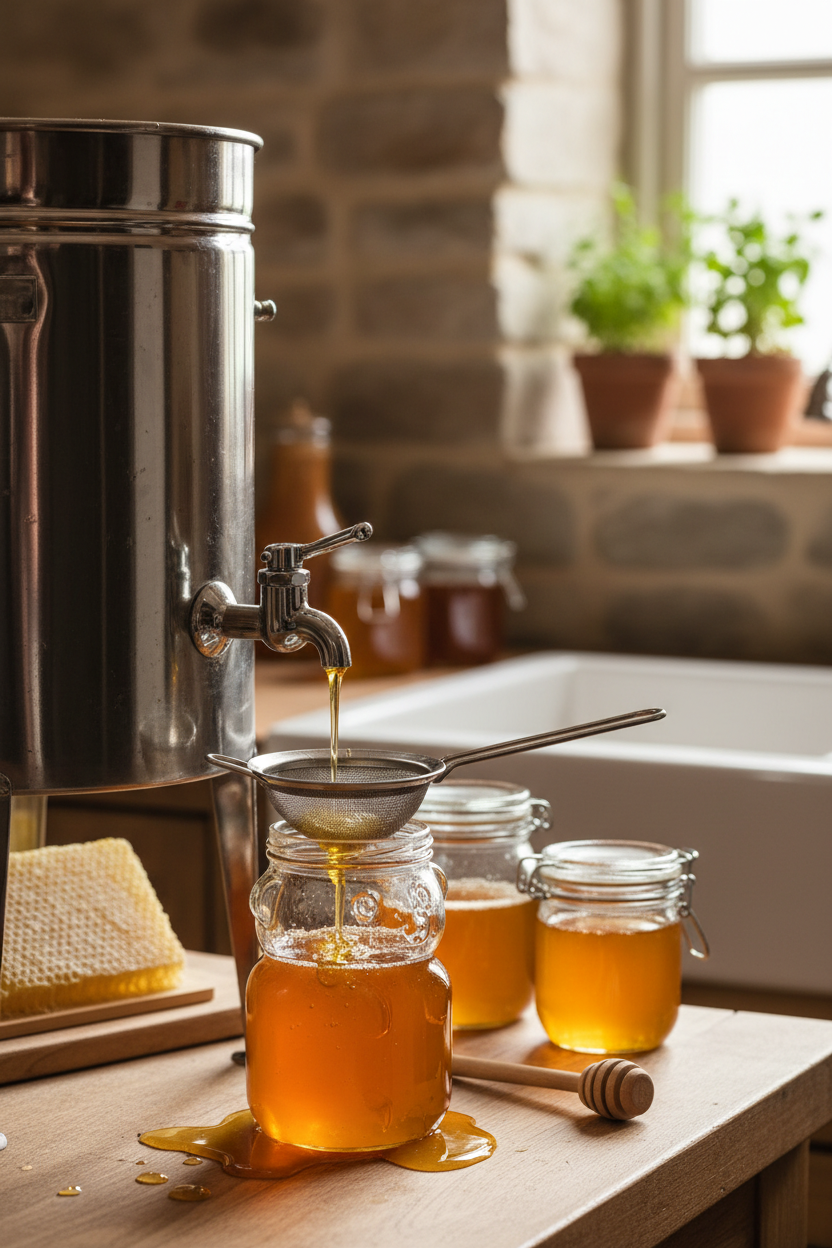
When selling honey, you must adhere to trading standards related to food hygiene and labelling.
Food Hygiene Regulations: Honey must be produced in hygienic conditions, though usually, domestic kitchens are acceptable.
Labeling Requirements: UK honey labels must comply with food information regulations, requiring specific details for legal sale. Mandatory information includes the product name “Honey”, accurate net weight (metric unit, minimum font height 4mm high), producer contact details, country of origin, and a best before date. Detailed guidance is available at Business Companion.
Purity & Residue Limits: It is an offence to sell honey that contains additives or lacks the natural composition expected of honey – Honey must also not exceed Maximum Residue Limits (MRLs) for authorised veterinary medicines.
Medicines & Record Keeping
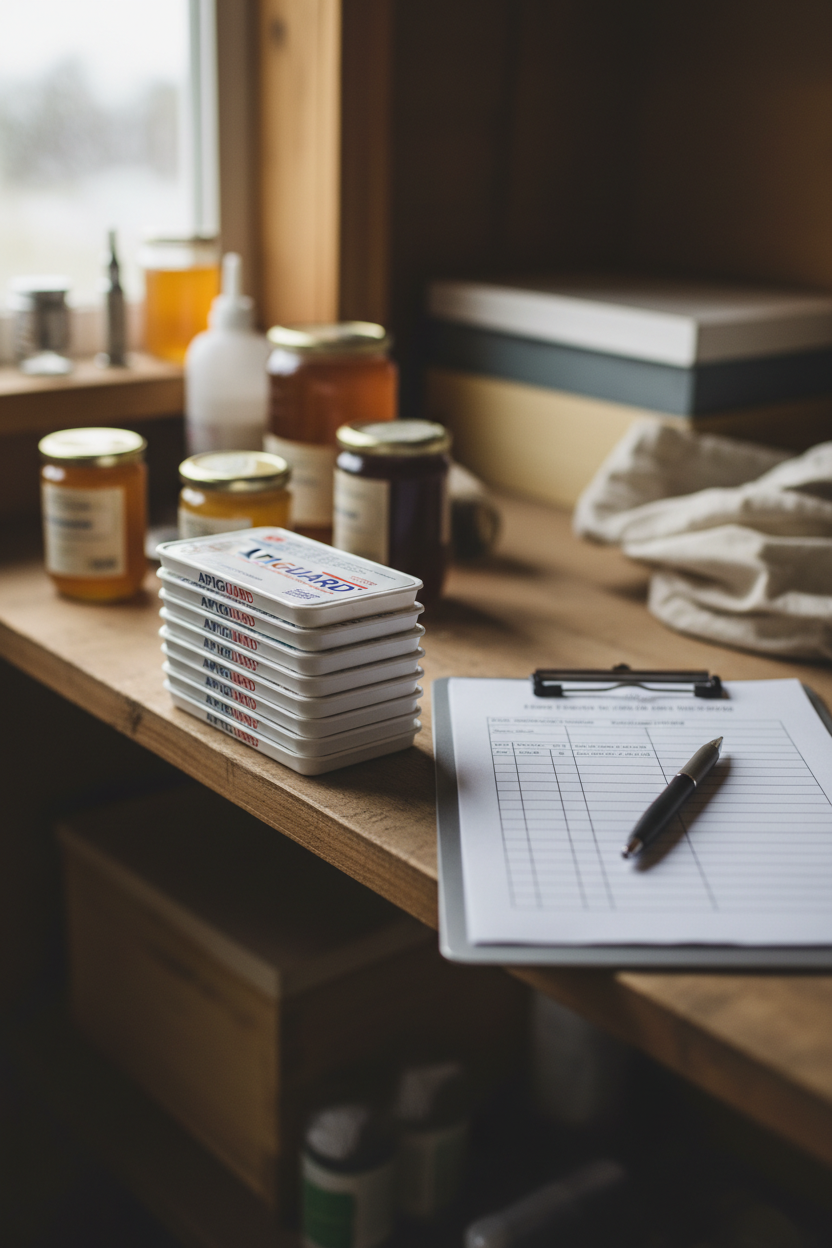
You must carefully record all treatments bought and applied to your hives and only use medicines authorised for use with honey bees in the UK.
Veterinary Medicines Regulations: As bees are considered food-producing animals, beekeepers must keep records for 5 years of all medicinal products bought and administered.
Keeping Records: You must record the following
- Product name and batch number.
- Date and quantity of administration.
- The “withdrawal period” (the time after treatment during which honey cannot be harvested).
- Identification of the treated hives.
Note – Always read and follow the label instructions exactly.
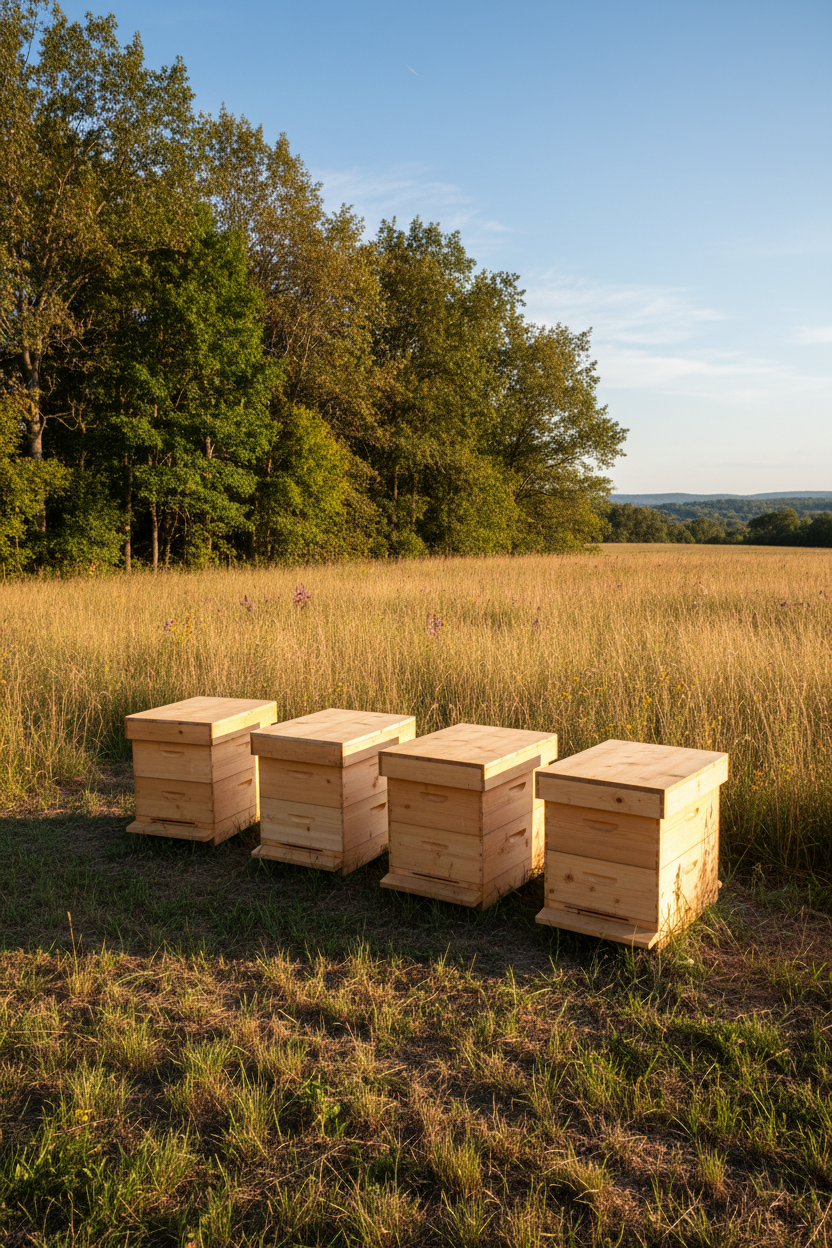
Local & Environmental Laws
You have a legal duty to ensure your bees do not become a “statutory nuisance” to neighbours or the public.
Nuisance Laws: Hives must not constitute a nuisance to your neighbours. Hive placement should consider flight paths to avoid public footpaths and gardens.
Local Council Bylaws: Specific areas, particularly allotments, may have restrictions against keeping bees.

Recommendations
Beyond the requirements of regulations, it is also recommended by us that UK beekeepers do the following.
Insurance: Ensure you have public liability and bee disease insurance – This is provided through membership of the BBKA, which you will automatically receive as part of your Membership of Braintree Beekeepers.
Register with BeeBase: While not mandatory, it is strongly advised to register to receive information on disease outbreaks in your area (see above).