Protecting Ecosystems: Our Commitment to Yellow-legged Hornet Awareness
Explore how we educate the community on identifying yellow-legged hornets, understanding their environmental impact, and supporting beekeeping through responsible practices.
Protecting Ecosystems from the Threat of Yellow-legged Hornets
Discover how to identify invasive yellow-legged hornets, understand their impact, and learn the best ways to report sightings effectively.

Identifying Yellow-legged Hornets
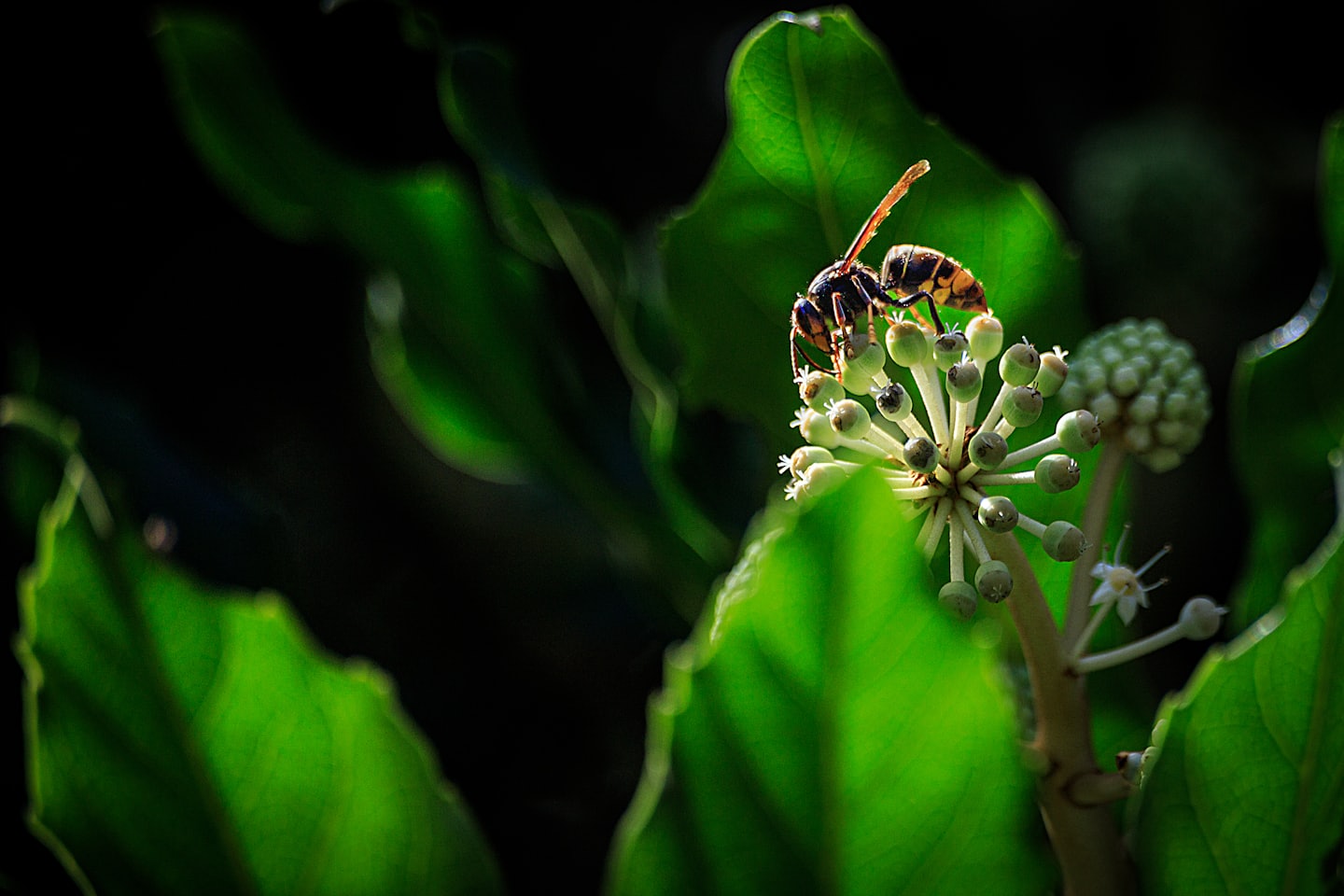
Learn to recognize the distinctive yellow legs and markings of this invasive species to help safeguard local bee populations.

Understanding Ecological Impact
Explore how these hornets disrupt native pollinators and threaten biodiversity in affected regions.

Reporting Sightings
Find clear instructions on how to report yellow-legged hornet sightings to support community monitoring and control efforts.
Yellow-legged Hornets: Identification and Awareness
This page offers crucial insights into recognizing the invasive yellow-legged hornet, understanding its environmental impact, and reporting guidelines.
Identification Tips
Learn how to spot yellow-legged hornets and distinguish them from native species effectively.
Ecological Impact
Understand the threats yellow-legged hornets pose to local bees and biodiversity.
Reporting Procedures
Find out how to properly report sightings to help protect local ecosystems.
Understanding Yellow-legged Hornets
Discover how to identify, report, and manage yellow-legged hornets to protect your local environment.

Step One: Identification
Learn to recognize the distinctive features of yellow-legged hornets and differentiate them from other species.

Step Two: Reporting
Follow the proper procedures to report sightings to help control the spread and minimize ecological damage.

Step Three: Community Action
Explore ways to support local beekeepers and participate in efforts to safeguard native ecosystems.
Protect Our Ecosystem Starting Now
Discover how to identify and report the invasive yellow-legged hornet to safeguard local wildlife and support sustainable beekeeping practices. Learn the essential steps to get involved today.